
Chest x-rays are a common procedure. A radiograph of the chest shows the anatomic image of the lungs, heart, blood vessels, airway, bones of the chest and spine. Chest x-rays are a common tool for diagnosing disease or other conditions.
An x-ray is an imaging technique that uses small amounts of ionizing radiation to produce images of the bones and tissues of the body onto a film. The image is created due to the X-ray beam being absorbed differently by different structures or parts in the body. A dense structure like bone absorbs a high percentage of the X-ray beam – which appears light grey on the image. Low density structures like soft tissues absorb a small percentage – which appears dark grey on the image (O’Sullivan and Goergen, 2009). X-rays pass through body tissues onto specially treated plates (similar to camera film) and a “negative” type picture is made (the more solid a structure is, the whiter it appears on the film). X-rays are often created digitally now for analysis on computers rather than x-ray film. X-rays are one of the oldest and most frequently used forms of medical imaging in modern medicine. The chest x-ray is usually an image viewed from the back to the front of the body and sometimes from the side.
IMPORTANT
Reviewing a chest x-ray is a valuable competency for nurses and other allied health professionals.
A doctor will order a chest x-ray if they suspect client symptoms are chest related such as:
- Chest pain
- Fever
- Persistent cough
- Shortness of breath
- Any condition or illness that indicates respiratory distress
X-rays can be used during investigative or therapeutic procedures to assist with guiding equipment into an area being treated or examined such as during coronary angioplasty.
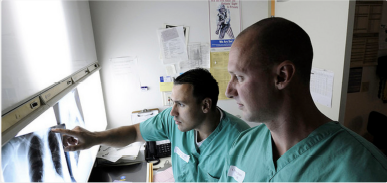
The chest X-Ray will reveal
- Condition of lungs – disease, collapse and injury
- Heart-related lung problems – fluid in the lungs (pulmonary oedema)
- Heart size – changes in size or shape
- Blood vessels – outlines of vessels such as the aorta
- Calcium deposits – presence of calcium indicating problems with the heart
- Fractures – rib or spine fractures and other bone conditions
- Post-operative changes – monitoring of chest recovery
- Pacemaker or internal defibrillators – checking of placement
(Mayo Clinic, 2015)
The information from a chest X-ray together with medical history, physical examination, and other clinical data to help to make a clinical decision.